


How Wall Moisture Levels Affect Wallpaper Adhesion
Written By AAG Prints
Published On: 23-February-2026 | Last Updated On : 30-November--0001

Share On:


0
Wallpaper
Wallpaper peeling and bubbling is the last thing you want to see in the beautiful homes of UAE. But there may actually be UAE homes out there that have this problem. That’s because issues like these with wallpaper are more common than you think. Here, the blame falls on moisture, humidity and wall dampness. These play a big role no matter if your wallpaper stays up or starts to fail.
In this blog, we’re talking about how wall moisture levels affect wallpaper adhesion. You’ll know why it matters even more in the UAE climate. Learn what you can take to avoid costly mistakes.
Why the UAE’s Climate Makes Moisture Control Critical
It’s actually very common for you to experience a hot desert climate in the UAE. This is where you see periods of next level humidity in the summer months.
If you live in Dubai then it’s even extreme there as this is where levels can go upto 60% at times. Keep in mind that this can affect your indoor surfaces as well as the building materials.
UAE Moisture & Adhesion Stats You Should Know
According to the National Center of Meteorology:
It’s actually very common for the relative humidity to hover about 46 to 47%. This is where you get seasonal peaks which mostly go about 64 to even 80%.
With this, you can see conditions where wall moisture is more common. Your wallpaper adhesion can be compromised this way as it happens to many people.
What Is The Science Of Wall Moisture and Adhesive Performance?
Your wallpaper adhesive doesn’t just stays strong on its own. Remember that you need a good contact between the wall surface and the backing of the wallpaper. This gives you a strong bond. So what really happens when wall moisture levels are too high?
The Adhesive Weakens
It’s important to know that water vapor can also infiltrate microscopic gaps. This happens between your adhesive and the wall. Over time, the bond can weaken if this happens. At this time, the adhesive becomes kind of gummy instead of sticky. Sometimes it also loses grip entirely.
Condensation Forms Behind the Wallpaper
If there is there wallpaper under the wallpaper, you can’t get rid of it easily. This gives you bubbles or even blisters which purhs your paper way from the surface. Things change if you have an air condionended environement. This is when the temperature difference can drive condensation inside walls.
Mold and Mildew May Grow
This is where mold comes into the picture. Times like these have a high humidity which is paired with trapped moisture. This makes the perfect environment for mold as well as mildew to develop. With this, you get unpleasant odors and health concerns. This leads to further degradation of the adhesive bond.
Wallpaper Materials Expand and Contract
Humidity is what causes wallpaper materials to expand. This movement is what stresses the adhesive bond. It may also result in wrinkling, gaps as well as misalignment of seams.
How do You Prepare Walls for Wallpaper in High Humidity Areas?
You have to follow these essential steps if you want to maximised the wallpaper adhesive.
Check & Treat Moisture
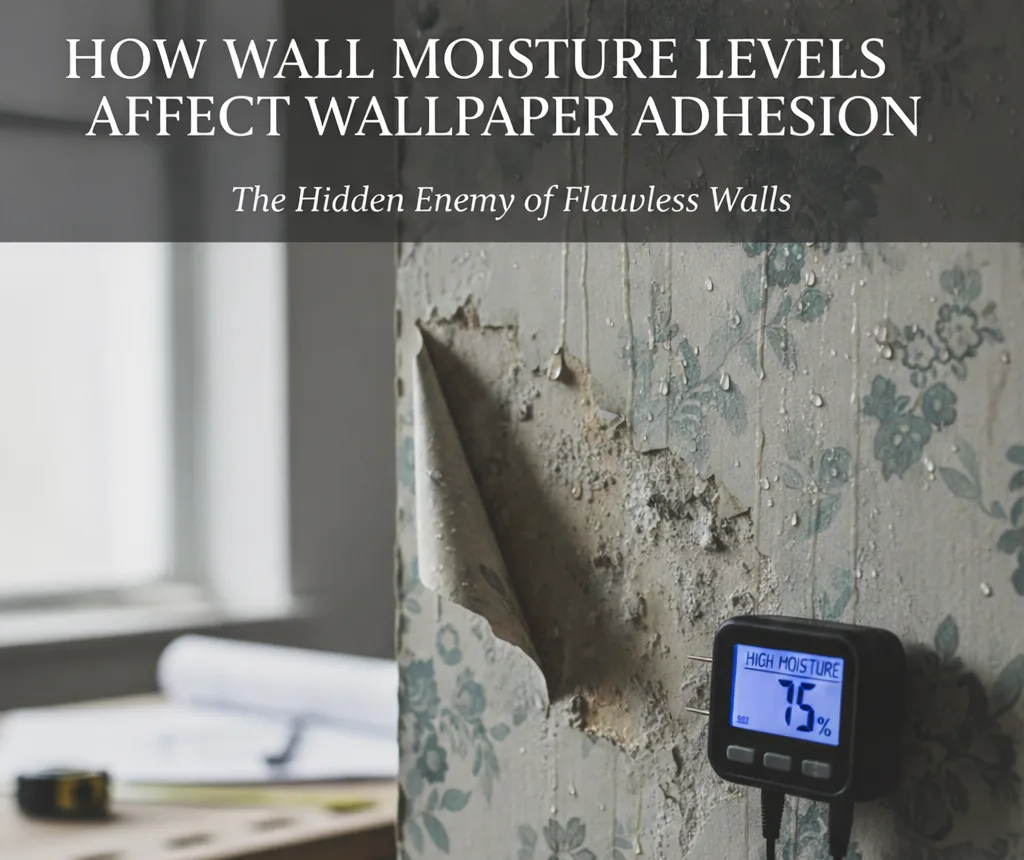
The perfect way to do this is to use a moisture meter before you get it installed. With this, you can check the wall humidity which matters here. Remember to treat any damp patches or leaks before you start.
Ensure Walls Are Completely Dry
Keep in mind that you can never install wallpaper on freshly wet walls. Avoid doing it even if it’s just a slight residual moisture. Because even that can weaken your adhesive over time.
Use the Right Primer
Don’t forget that a good primer is what really seals the wall. This reduces the moisture absorption as well so that the adhesive gets a stable surface.
Choose Moisture-Resistant Adhesives
You make a big difference here with a high quality and humidity resistant wallpaper adhesives. Try using it in areas like bathrooms and kitchens.
Improve Ventilation
Proper airflow is what reduces humidity buildup. Live in a UAE homes where HVAC is constant? Make sure your ventilation systems help keep the moisture levels in check.
What Are Some Common Mistakes That Cost You In The UAE?
- Skipping moisture testing before installation
- Applying wallpaper immediately after painting
- Ignoring humidity spikes caused by AC systems
- Using standard adhesives in high-humidity areas
Conclusion
Do you live in UAE’s warm and humid climate? Then wall moisture levels can make or break your wallpaper installation project. You need a careful understanding of humidity and proper preparation. These suitable adhesive products are the key to long lasting wallpaper.
FAQs
Q - How does high humidity in the UAE affect wallpaper adhesion?
A - High humidity is what weakens the adhesive bonds and promote condesation behind your wallpaper.
Q - What moisture level is safe for wallpaper application?
A - Walls should be completely dry, as moisture content should be below the level.
Q - Can I install wallpaper in humid rooms like bathrooms?
A - Yes, if you use moisture resistant adhesive and proper wall preparation.
Q - Does air conditioning reduce wall moisture?
A - Air conditioning is what lowers indoor humidity but sharp temperature differences can still cause condensation in wall assemblies.
Q - What tools do I use to check wall moisture before wallpapering?
A - You can use a moisture meter as well as a hygrometer. This is essential for detecting dampness before you install.
Q - Should I hire a professional for wallpaper installation in the UAE?
A - Professional installers are recommended for humidity prone environments. This ensures correct moisture control and adhesion.
Related Blogs
0
Wallpaper
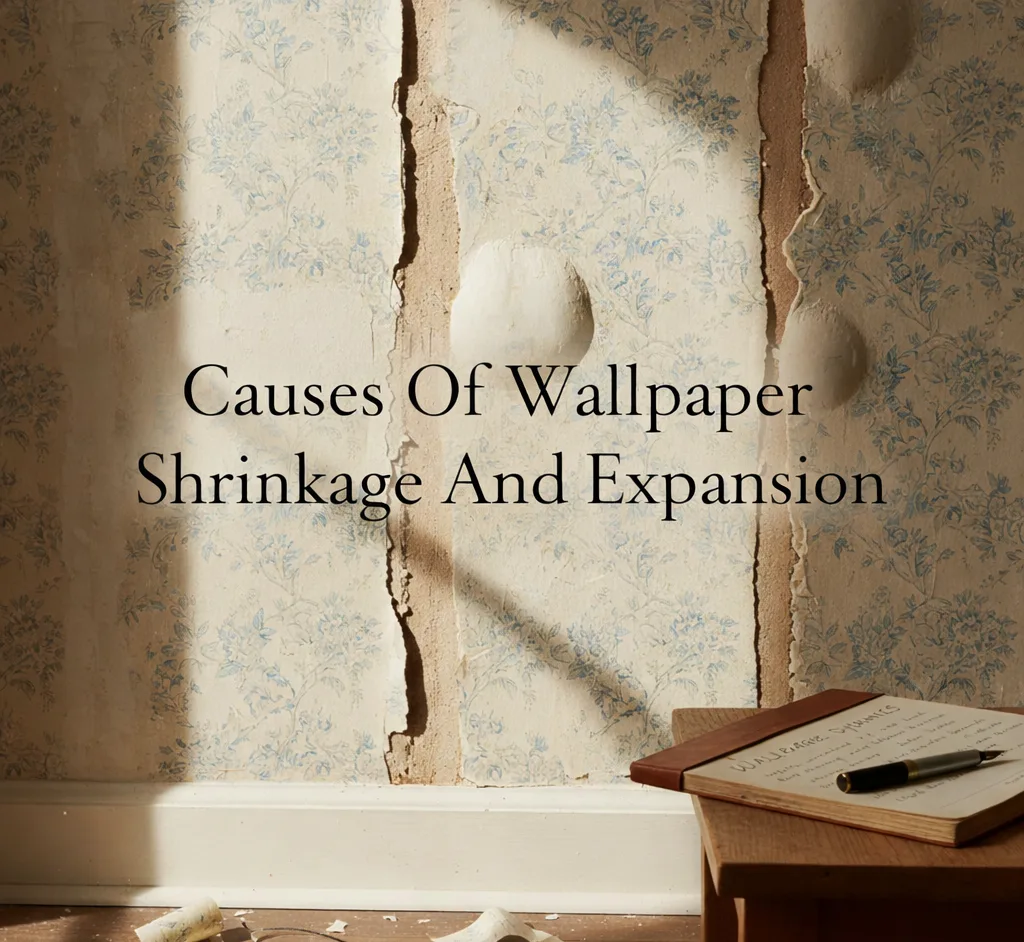
Causes Of Wallpaper Shrinkage And Expansion
AAG Prints - Feb 20, 2026
Share On:
Your space can instantly be upgraded with just the right wallpaper. But there are many homeowners across the UAE who have noticed a frustrating issue after installation. These include wallpaper shrinking, wallpaper seams opening, bubbling wallpaper or expansion around edges.
0
Wallpaper
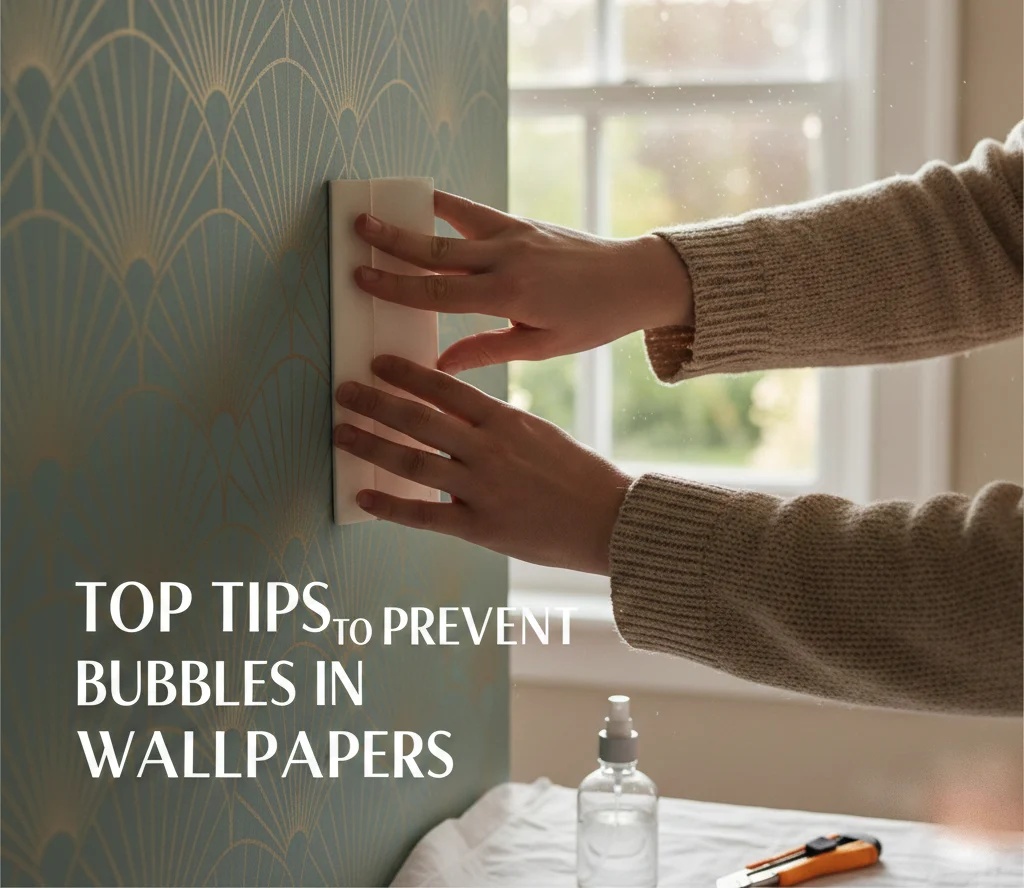
Top Tips To Prevent Bubbles In wallpapers
AAG Prints - Feb 19, 2026
Share On:
Wallpaper can actually transform any home instantly in a way you haven’t imagined. It adds texture and style which paint alone can just never do. Are you decorating your house in Dubai? You have to know that beautiful wallpapers do elevate interiors. That said, it only matters if it’s applied right. Want to know one of the most common issues homeowners face during installation? Those are annoying air bubbles under the wallpaper.
0
Wallpaper
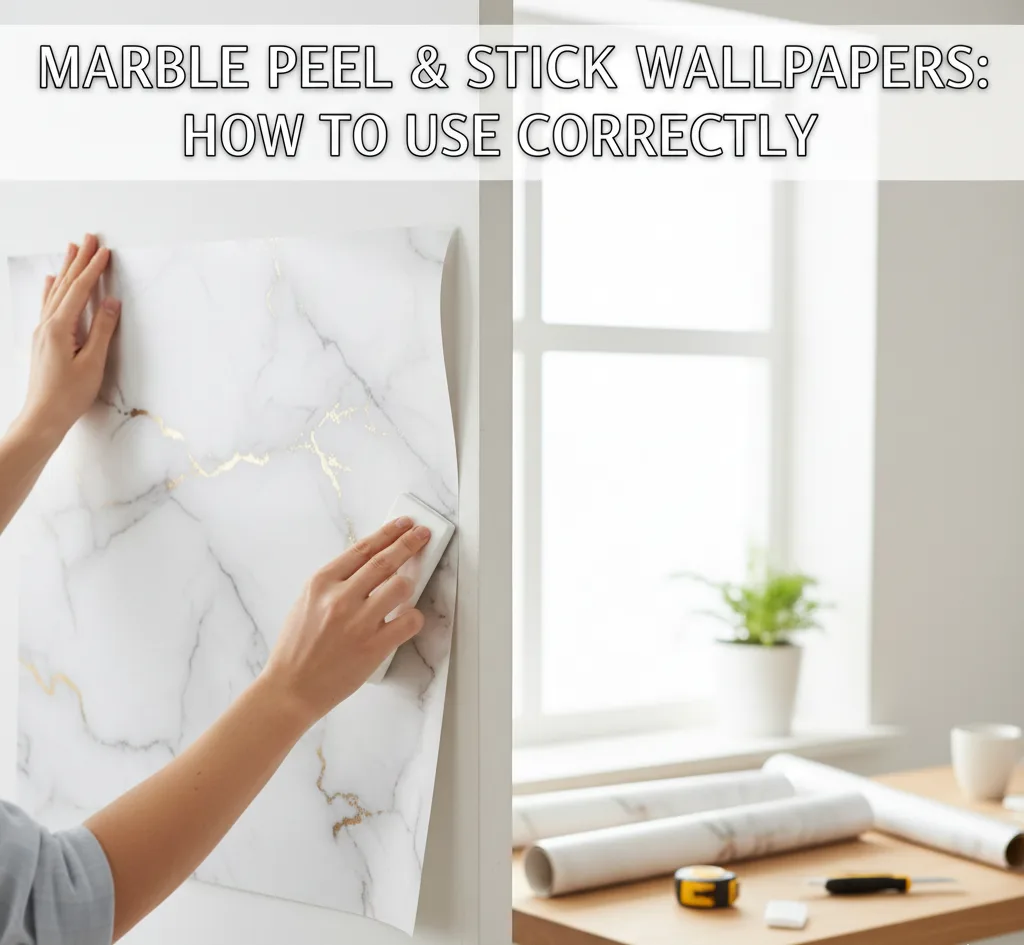
Marble Peel & Stick Wallpapers: How To Use Correctly
AAG Prints - Feb 13, 2026
Share On:
If you look at any sleek Dubai apartment, one thing always stands out. There’s a good chance marble peel and stick wallpaper actually played a part. In the UAE, these self adhesive wall coverings have been seen more and more. The way they mix marble aesthetics with DIY ease makes them perfect. You actually skip the messy paste and no professional installer with a wallpaper like this. It’s really all just peel, stick and transform.
0
Wallpaper
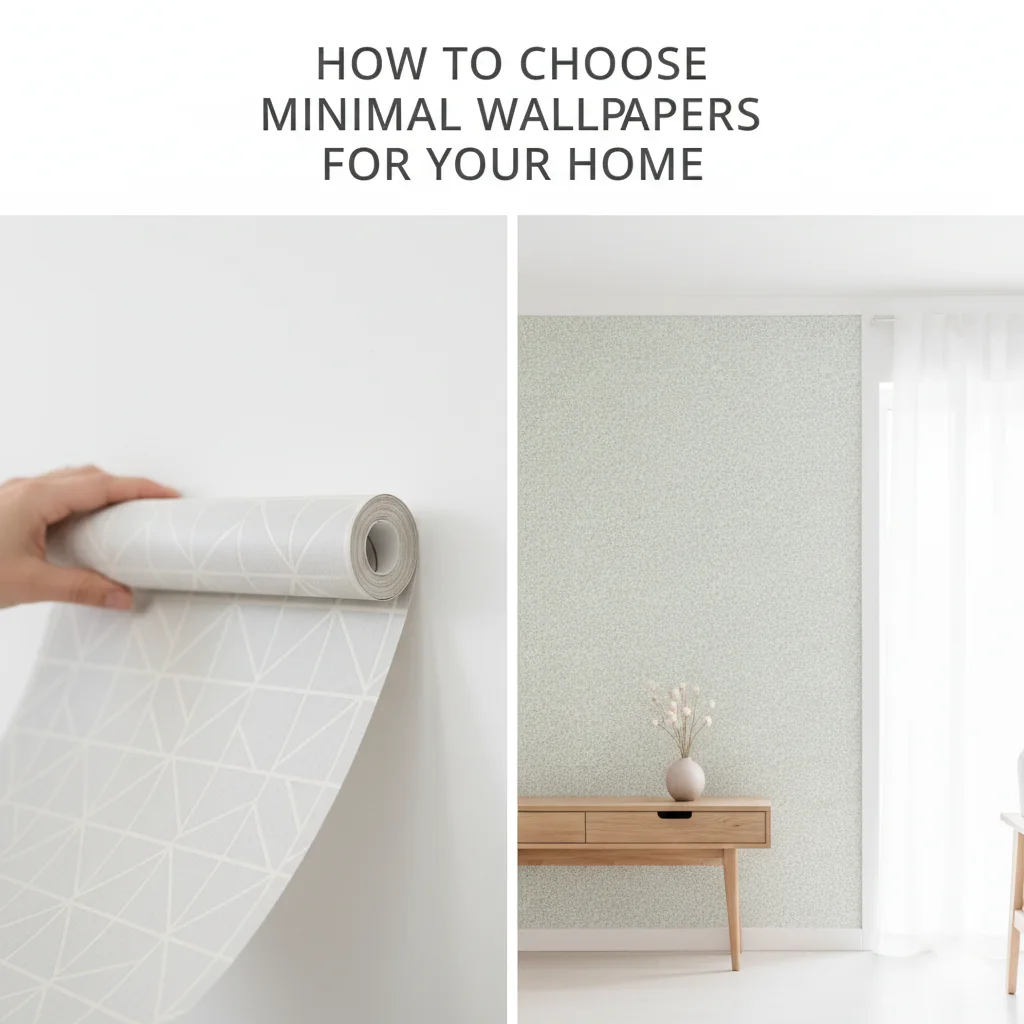
How To Choose Minimal Wallpapers For Your Home?
AAG Prints - Feb 12, 2026
Share On:
Deciding on a minimal wallpaper for your abode in the UAE is not just for its aesthetic appeal, but it is rather about transforming a space into a serene one. It should be a space that mirrors your personality, along with ample and stylish interiors. If you want it to be contemporary for your lifestyle in the UAE, then this is it.
Top Search Terms
- Dubai Wallpaper
- Wall Stickers
- Wallpaper Dubai
- Wallpapers in Dubai
- UAE Wallpaper
- Wallpapers in UAE
- Wallpaper for Wall
- Wallpaper Fixing Dubai
- Kids Wallpaper
- Abu Dhabi Wallpaper
- Wallpaper Abu Dhabi
- Canvas Printing Dubai
- Wallpapers in Abu Dhabi
- Wall Murals
- Wallpaper Supplier in UAE
- Wallpaper Suppliers in Dubai
- Wallpaper Stores
- Wallpaper Company Dubai
- Wallpaper Installation Dubai
- Wallpaper Shops in Dubai
- Wall Decals Dubai
- Wall Stickers Dubai
- Wall Murals Dubai
- Mural Wallpaper
- Wallpaper Sharjah
- Printing Companies in Dubai
- Wallpaper Stores Dubai
- Wallpaper Shops Near Me
- Wallpaper Dealers Near Me
- Wallpaper Shop Sharjah


